
https //www.windows.con/stopcode : Troubleshoot blue screen errors – Microsoft Support
A blue screen error (also called a stop error) can occur if a problem causes your device to shut down or restart unexpectedly. You might see a blue screen with a message that your device ran into a problem and needs to restart.
On this page, we’ll take you through a series of troubleshooting steps to try and help you figure out the cause of the blue screen error and how to resolve it.
The steps in this article are intended to help troubleshoot common stop error codes, such as the following:
- CRITICAL_PROCESS_DIED
- SYSTEM_THREAD_EXCEPTION_NOT_HANDLED
- IRQL_NOT_LESS_OR_EQUAL
- VIDEO_TDR_TIMEOUT_DETECTED
- PAGE_FAULT_IN_NONPAGED_AREA
- SYSTEM_SERVICE_EXCEPTION
- DPC_WATCHDOG_VIOLATION
Though the steps on this page might look complicated at first glance, just follow them in order, step-by-step, and we’ll try to get you back on track.
Step 1: When did you get the error?
Error after an update is installed
To do this, you’ll need to sign in to Windows using safe mode. Safe mode starts Windows in a basic state, using a limited set of files and drivers and allows you to perform troubleshooting steps.
Before you enter safe mode, you need to enter the Windows Recovery Environment (WinRE ). Here’s how:
- Hold down the power button for 10 seconds to turn off your device.
- Press the power button again to turn on your device.
- On the first sign that Windows has started (for example, some devices show the manufacturer’s logo when restarting) hold down the power button for 10 seconds to turn off your device.
- Press the power button again to turn on your device.
- When Windows restarts, hold down the power button for 10 seconds to turn off your device.
- Press the power button again to turn on your device.
- Allow your device to fully restart to enter WinRE.
Now that you are in WinRE, follow these steps to take you to safe mode.
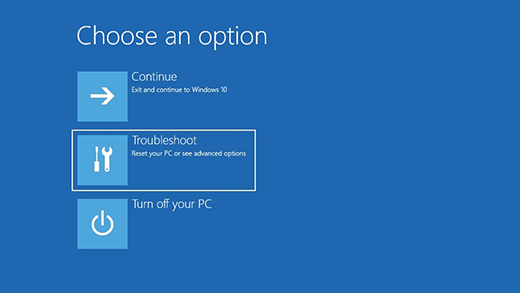
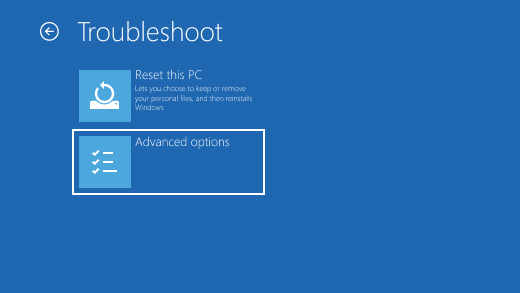
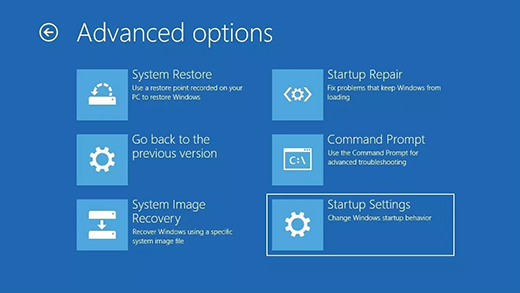
- On the Choose an option screen, select Troubleshoot > Advanced options > Startup Settings > Restart.

- After your device restarts, you’ll see a list of options. The preferred option is to select 5 or press F5 for Safe Mode with Networking.

Once your device is in safe mode, follow these steps to uninstall recent update in Control Panel:
- In the search box on the taskbar, type control panel, and then select Control Panel from the list of results.
- Select Uninstall a program under Programs. If you’re using Large/Small icons View, Select Uninstall a program under Programs and Features.
- On the left-hand side, select View installed updates, and then select Installed On to sort the updates by their installation date to view the latest updates.
- Right-click the update you want to uninstall, and then select Yes to confirm.
Note: Some updates won’t give you the option to uninstall.
- Select Restart Now to completely uninstall the update.

Comments are closed