
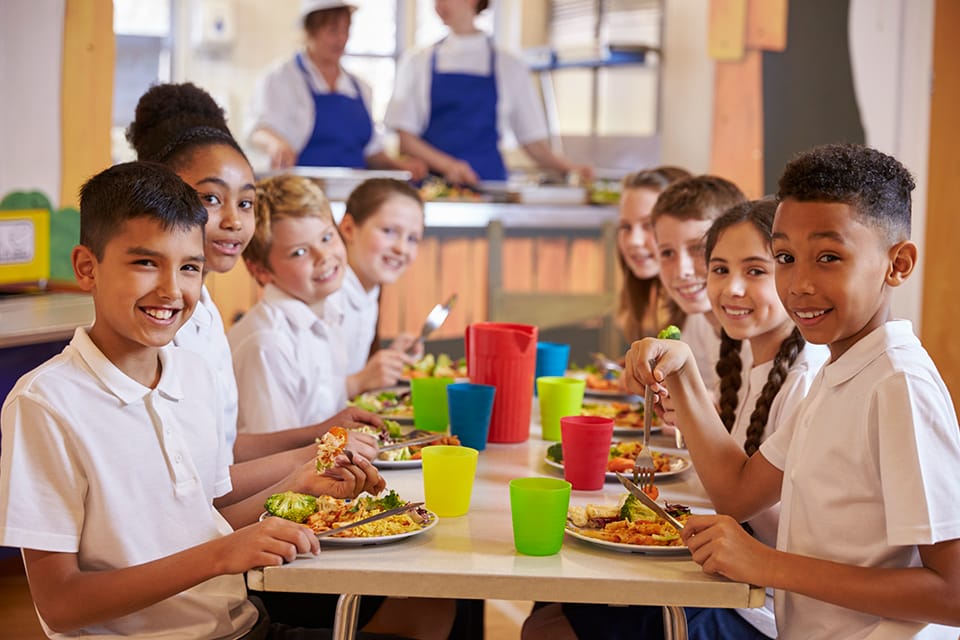
Quick Answer: Could a Nobel Peace Prize 2026 free meal program actually win? While the Norwegian Nobel Committee keeps all official nominations strictly sealed for 50 years, there is undeniable global momentum behind universal nutrition initiatives. For 2026, 287 candidates have been nominated, and massive government-backed food security operations—such as Indonesia’s sweeping “Nutritious Meals Program” and the global UN-backed School Meals Coalition—are heavily speculated to be in the running. The rationale is simple: eradicating childhood hunger is one of the most effective ways to stabilize societies and prevent future conflicts.
The conversation around the Nobel Peace Prize has steadily shifted over the last decade. While the award historically favored diplomats brokering ceasefires, the modern understanding of “peace” has expanded to include human security, climate action, and—most recently—food security. Following the World Food Programme’s historic win in 2020, the push to nominate a permanent, systemic free meal program for the 2026 Nobel Peace Prize is gaining serious academic and political traction.
Why Free Meal Programs Are a Matter of Peace
Nobel laureate and renowned economist Amartya Sen famously argued that true economic growth and societal peace are impossible without investing in human capability, starting with basic nutrition. A starving population is inherently an unstable one. By providing guaranteed nutrition to children, nations are essentially laying down the infrastructure for long-term peace.
- Conflict Prevention: Resource scarcity, particularly food, is a primary driver of civil unrest and regional conflict.
- Economic Stability: According to UNICEF, every single dollar invested in child nutrition can yield up to $16 in economic returns, drastically reducing poverty.
- Horizontal Equality: Free school meals act as a universal safety net, bridging the gap between extreme wealth and poverty in developing nations.
McDonald’s Crocs Happy Meal UK Drop & The Genius New Value Strategy
The 2026 Frontrunners: Which Programs Could Win?
If a free meal initiative were to win the Nobel Peace Prize in 2026, it would likely be a massive, systemic coalition rather than a small charity. Here are the types of programs currently dominating the global food security conversation:
| Initiative / Coalition | Scale & Reach | Peace & Stability Impact |
|---|---|---|
| The School Meals Coalition (Global) | Targets 73 million vulnerable children worldwide by 2030. | Unites over 90 governments to guarantee a daily meal, reducing global migration pressures. |
| Nutritious Meals Program (Indonesia) | Aims to serve 80 million students across the archipelago. | The largest universal government-subsidized feeding program in Southeast Asian history. |
| Akshaya Patra Foundation (India) | Feeds over 2 million children daily across India. | Eliminates classroom hunger, directly increasing school attendance and reducing child labor. |
How the Nobel Committee Evaluates Food Security
The Nobel Committee doesn’t just look at how many plates of food are served. To win the Peace Prize, a program must demonstrate that it actively reduces the likelihood of war or societal collapse. As we have seen in recent years, supply chain disruptions and geopolitical conflicts have pushed millions toward starvation. A program that builds sustainable, localized central kitchens and empowers local farmers—much like the models championed in our global food security initiatives analysis—creates an economic buffer against the chaos of war.
For 2026, with 287 candidates actively nominated (including 79 organizations), the competition is fierce. However, recognizing a massive free meal infrastructure would send a powerful message: that the most fundamental step toward peace is a full stomach.
TL;DR: The 2026 Nobel Buzz Explained
- The Nominations: The Norwegian Nobel Committee is reviewing 287 candidates for the 2026 prize, though specific names remain classified for 50 years.
- The Trend: Following the World Food Programme’s 2020 win, systemic nutritional programs are viewed as vital instruments of global peace.
- Key Contenders: Massive state-sponsored systems, like Indonesia’s Nutritious Meals Program serving 80 million kids, and the UN’s School Meals Coalition, embody the scale required for a Nobel nod.
- The Philosophy: Experts agree that consumption-side interventions (like free lunches) are essential safety nets that stabilize vulnerable populations, thereby preventing conflict and unrest.
