
RSPB Bird Feeder Guidance Change November 2026: New Rules Explained
Updated: 28 October 2026 | Location: United Kingdom
Quick Answer: What Changes on 1 November?
From 1 November 2026, the RSPB advises that households can start feeding garden birds seeds and peanuts again. These foods were discouraged between 1 May and 31 October to reduce the spread of trichomonosis among vulnerable bird populations.
- 1 November–30 April: Seeds and peanuts can be offered.
- 1 May–31 October: Pause seeds and peanuts.
- All year: Small amounts of mealworms, fat balls and suet are permitted.
- Weekly: Thoroughly clean feeders and bird baths.
- Daily: Replace drinking and bathing water.
- Avoid: Bird tables and flat feeding surfaces.
Why Has the RSPB Changed Its Bird Feeding Advice?
The Royal Society for the Protection of Birds (RSPB) introduced updated garden bird feeding guidance in 2026 following scientific research into how supplementary feeding can contribute to the transmission of diseases.
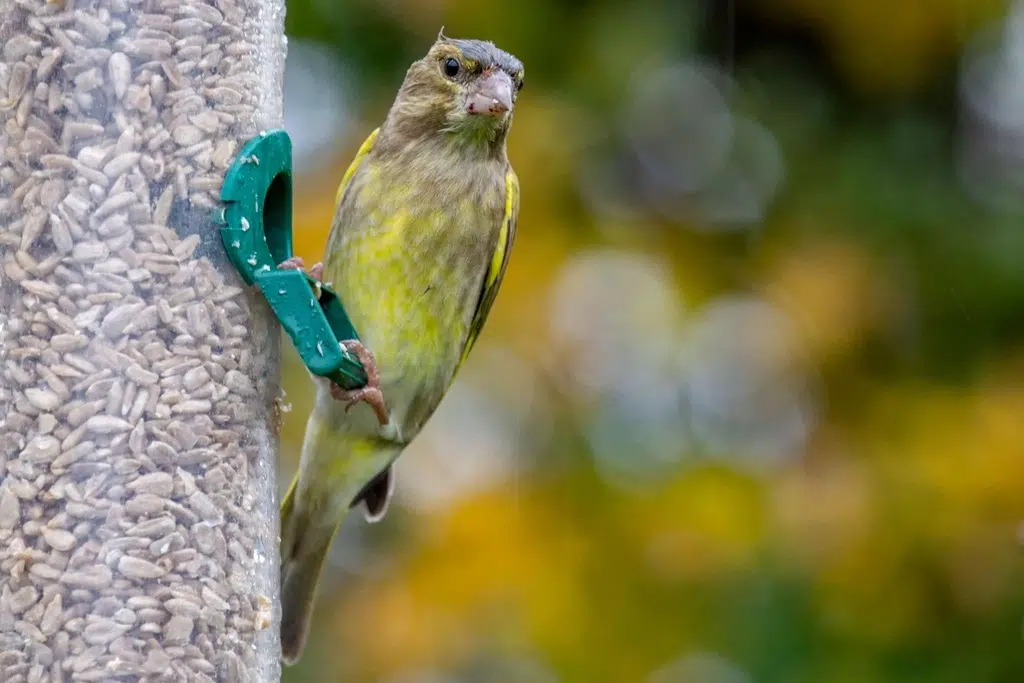
The concern centres on trichomonosis, a disease caused by a microscopic parasite. It can affect several bird species, particularly Greenfinches and Chaffinches.
Infected birds may experience difficulty swallowing and can become weak or unable to feed normally. Contaminated food and saliva can allow the infection to spread between birds gathering at shared feeding locations.
The RSPB therefore recommends a seasonal approach: reduce the availability of seeds and peanuts during warmer months, when transmission risks are higher, and resume feeding them in colder months when natural food becomes scarcer.
Importantly, this is guidance from a conservation charity, not a new legal ban on garden bird feeders.
When Can You Start Feeding Birds Again in November 2026?
The date to remember is Sunday, 1 November 2026.
From that day, the RSPB recommends that gardeners can resume providing seeds and peanuts in appropriate hanging feeders.
Colder conditions reduce the survival of the trichomonosis parasite outside its host. Winter feeding can also support birds when naturally available seeds, insects and other foods become harder to find.
However, the November change does not mean feeders can be left dirty or continuously overfilled. Safe feeding practices remain essential throughout the year.
RSPB Bird Feeding Calendar 2026–2027
| Period | Seeds and Peanuts | Other Food |
|---|---|---|
| 1 November 2026–30 April 2027 | Allowed under RSPB guidance | Mealworms, suet and fat balls |
| 1 May–31 October 2027 | Pause feeding | Small amounts of mealworms, suet and fat balls |
These dates reflect the RSPB’s current seasonal recommendations and may be revised as further scientific evidence becomes available.
Which Bird Foods Are Allowed from November?
Once the winter feeding season begins, gardeners can offer a wider selection of foods, provided they use appropriate feeders and maintain good hygiene.
| Food | When to Offer | Recommended Method |
|---|---|---|
| Bird seed | November–April | Hanging seed feeder |
| Peanuts | November–April | Suitable mesh feeder |
| Mealworms | Year-round, in small amounts | Mealworm feeder |
| Suet | Year-round | Suitable hanging feeder |
| Fat balls | Year-round | Dedicated feeder |
Why Are Bird Tables No Longer Recommended?
One of the most significant parts of the updated guidance concerns bird tables and flat feeding surfaces.
The RSPB advises against using these feeding arrangements because contaminated food, droppings and saliva can accumulate on exposed surfaces.
When several birds feed in the same area, there is an increased opportunity for infectious material to spread.
Hanging feeders are generally preferable, although they must still be cleaned regularly and placed in suitable locations.
How Often Should You Clean Bird Feeders?
The RSPB recommends cleaning bird feeders at least once every week.
A practical routine includes:
- Remove leftover food before cleaning.
- Follow the feeder manufacturer’s cleaning instructions and use a suitable bird-safe disinfectant.
- Rinse thoroughly and allow the feeder to dry before refilling.
- Remove discarded food and debris from beneath the feeder.
- Move the feeder to a different garden location when practical.
- Replace bird bath water daily and clean the bath weekly.
Only put out quantities of food that birds are likely to consume promptly. Wet or spoiled food should be removed rather than left in place.
What Is Trichomonosis and Why Is It Dangerous?
Trichomonosis is an infectious disease that has contributed to serious declines in some British finch populations.
It can spread when birds consume food or water contaminated by infected birds.
Birds affected by the disease may appear unusually lethargic, have difficulty swallowing or remain near feeding stations without eating normally.
According to the RSPB, Greenfinch populations have fallen by more than 65% over recent decades, with disease playing a major role.
The seasonal feeding recommendations are intended to help reduce transmission opportunities while preserving the benefits of responsible supplementary feeding.
Does the November Change Apply Across the UK?
The RSPB’s seasonal guidance is intended for garden bird feeding in the United Kingdom, including England, Scotland, Wales and Northern Ireland.
It is not a government regulation requiring every household to put out or remove feeders on a particular date.
People outside the UK should consult wildlife conservation organisations in their own region, because seasonal conditions and disease risks may differ.
How Can You Help Garden Birds Without Feeders?
The RSPB also encourages gardeners to support wildlife by providing natural food and suitable habitats.
Planting native shrubs, allowing flowers to produce seedheads and creating insect-friendly garden areas can provide birds with food throughout the year.
Hedges, trees and sheltered planting can offer places for birds to rest and avoid predators.
Providing clean drinking water is another valuable step, especially during dry weather and freezing conditions.
Where Can You Read the Official RSPB Guidance?
For the most accurate and updated information, consult the following official resources:
- RSPB: Latest Guidance on Feeding Garden Birds
- RSPB: Feed Seasonally, Feed Safely
- RSPB Members: New Season, New Menu
Related News and Guides
Read more current announcements and public guidance at Seminarsonly News, or browse additional educational resources on Seminarsonly.com.
TL;DR: RSPB November 2026 Bird Feeder Rules
- The RSPB recommends restarting seed and peanut feeding on 1 November 2026.
- The summer and autumn pause lasts from 1 May to 31 October.
- Small amounts of mealworms, suet and fat balls can be provided throughout the year.
- Bird tables and flat feeding surfaces are discouraged.
- Clean feeders and bird baths weekly, and change bird bath water daily.
- The guidance is designed to reduce trichomonosis transmission and protect vulnerable garden birds.
Bottom line: From November, garden birds can benefit from winter seed and peanut feeding again, provided households follow careful hygiene practices.
Editorial note: This independent article explains the RSPB’s published recommendations as of 28 October 2026. Guidance may change as new research becomes available. Seminarsonly.com is not affiliated with the RSPB.
