
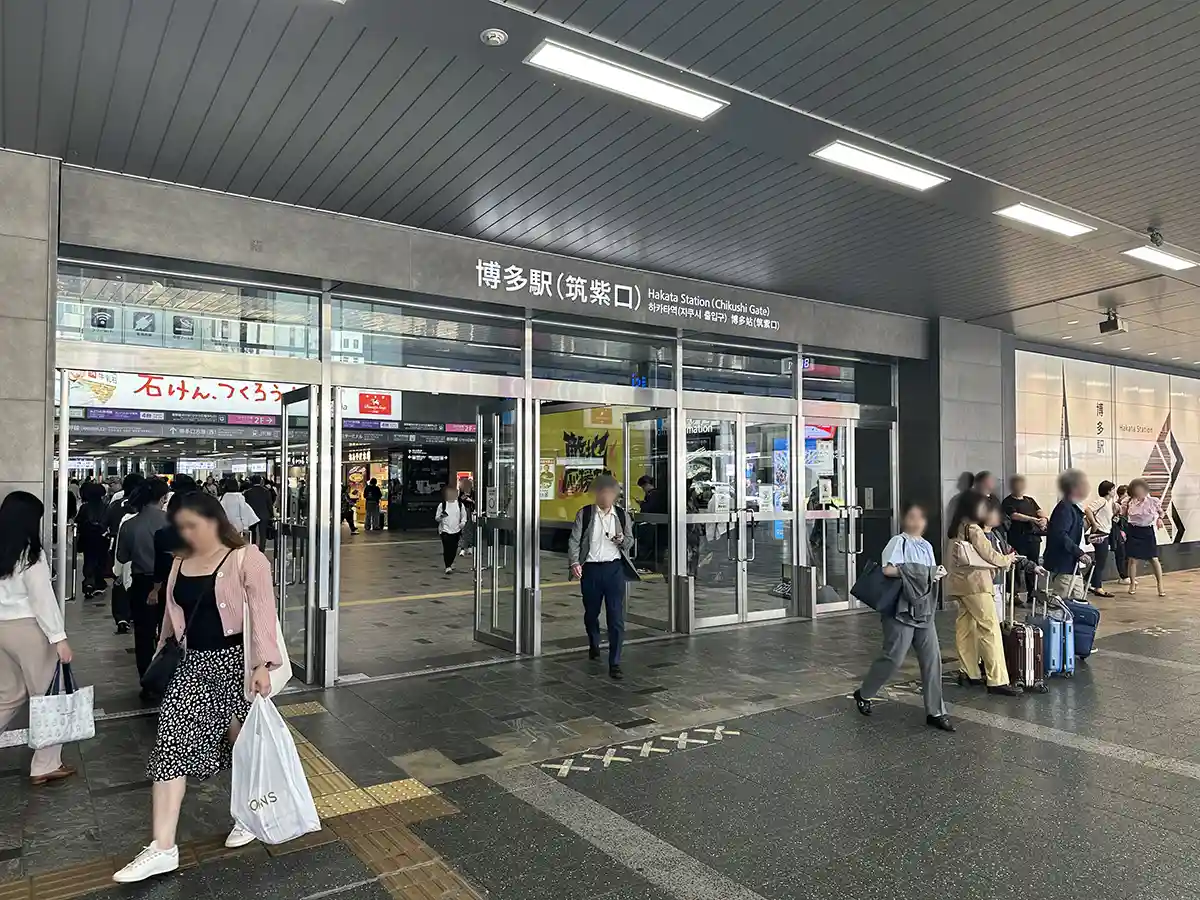
Quick Answer
To check the current Fukuoka train service status, identify which railway network you are using. The Fukuoka City Subway (Kuko, Hakozaki, and Nanakuma lines) rarely experiences weather delays due to its underground infrastructure. However, above-ground networks like JR Kyushu (including the Kyushu Shinkansen) and the Nishitetsu Railway frequently face suspensions during typhoons or heavy rain. Always verify your specific route via official railway portals before heading to Hakata or Tenjin stations.
Major Rail Networks in Fukuoka
Fukuoka is the primary transit hub of Kyushu, supported by three distinct railway operators. Understanding which company operates your line is the first step in troubleshooting any travel disruptions:
- JR Kyushu: Operates the Kyushu Shinkansen, Kagoshima Main Line, and Sasaguri Line. These lines are most susceptible to high winds and heavy coastal rains.
- Nishitetsu (Nishi-Nippon Railroad): The main arterial line connecting central Fukuoka (Tenjin) to southern cities like Dazaifu, Kurume, and Omuta.
- Fukuoka City Subway: The most reliable transit option during severe weather, directly connecting Fukuoka Airport, Hakata Station, and Tenjin.
Common Causes of Train Suspensions in Kyushu
If you encounter a “Service Suspended” or “Significant Delay” notification on the digital boards, it is usually due to one of the following safety protocols:
1. Typhoons and Torrential Rain
Kyushu is geographically prone to seasonal typhoons (August to October) and heavy monsoon rains (June to July). JR Kyushu will preemptively halt services if rainfall exceeds safety thresholds to prevent derailments from landslides.
2. Earthquakes and Seismic Activity
Automated safety systems immediately cut power to all Shinkansen and local trains the moment preliminary tremors are detected. Service only resumes after comprehensive manual track inspections are completed.
3. Routine Infrastructure Checks
While rare during peak hours, signal failures or power outages can cause temporary 15-to-30-minute delays. During these times, consider taking a local bus or transferring to a subway line. For a full breakdown of getting around the island, read our Kyushu Transportation Guide.
Fukuoka Train Status Directory
Use the colored table below to quickly identify where to check the real-time operational status for your specific train line.
| Railway Operator | Key Routes Covered | Weather Vulnerability |
|---|---|---|
| JR Kyushu | Shinkansen, Kagoshima Line, Sonic Express | High (Above ground, coastal exposure) |
| Nishitetsu Railway | Tenjin-Omuta Line, Dazaifu Line | Medium (Urban and suburban above ground) |
| Fukuoka Subway | Kuko (Airport), Hakozaki, Nanakuma Lines | Low (Underground infrastructure) |
For the most accurate, up-to-the-minute English alerts, we highly recommend bookmarking the Official JR Kyushu English Portal.
TL;DR Summary
To stay ahead of your commute, always check the Fukuoka train service status before leaving your hotel, especially during typhoon season. The Fukuoka City Subway is your safest, most reliable bet during bad weather. If you are relying on JR Kyushu or Nishitetsu lines, check their official websites for real-time delay and suspension announcements, as heavy rain and wind can frequently halt above-ground operations.
